
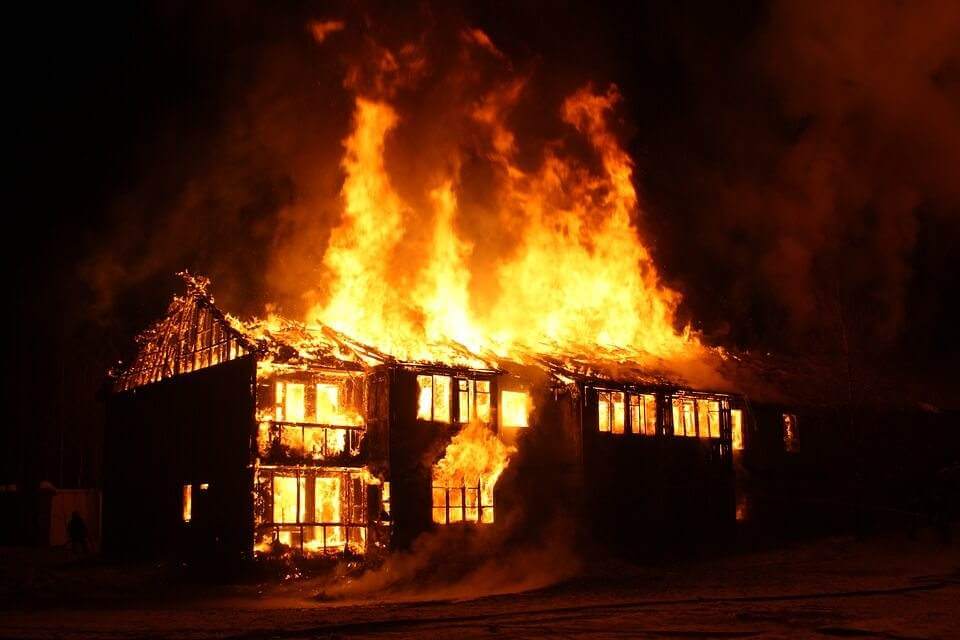
House fires are more common than we might imagine, but they are also highly preventable if we adopt a few simple measures and pay attention to the details. These accidents can have many different causes, but small changes in our daily habits can considerably reduce the risk.
The kitchen is, without question, where most house fires start. A moment of distraction while cooking, an oven that isn't working properly, or a dryer that overheats can quickly turn dangerous. Cooking with hot oil requires special care, since one mistake can spark a fire in a matter of seconds.
Candles are another risk factor. They add a warm, cozy atmosphere to the home (that famous hygge that's so fashionable right now), and we're not trying to be alarmist — they just need to be used with caution. Leaving them burning unattended or placing them near fabrics such as curtains significantly increases the risk of an accident. This is especially important if there are pets or children at home, who can knock them over by accident.
Smoking indoors, though less common than it used to be, remains a major cause of fires. We can't force you to quit, but we can at least offer some advice. Smoking in bed or on the sofa is extremely dangerous, since a poorly extinguished cigarette butt can ignite flammable materials. If you smoke, make sure your cigarettes are completely out before discarding them in an ashtray.
In winter, heating systems also pose a significant risk. Stoves and heaters should be kept in good condition with their inspections up to date. Poor combustion can produce toxic gases that are a silent danger to everyone in the home.
Electrical overload is another thing to watch out for. It's common to plug several devices into the same power strip, but this can exceed the capacity of the outlets and cause short circuits. A TV, the router, phone chargers, and those decorative lights you picked up at a bargain store are all examples of devices that tend to be plugged in at the same time — and if the electrical installation isn't in good condition, the fire risk rises considerably.
Preventing fires also calls for specific actions that help keep the home safe. Regular inspections of the boiler and heating systems are among the most effective measures. It's also important to make sure electrical appliances meet European safety standards and carry the CE mark, which guarantees they have passed rigorous testing. If your home's electrical installation is old, having it professionally inspected is essential to avoid problems.
Another key prevention tool is smoke and carbon monoxide detectors. These devices are inexpensive and extremely effective. They run on long-life batteries and sound an alert when smoke or toxic gases are present, allowing you to act quickly in an emergency. Likewise, keeping a fire extinguisher at home can be decisive when a fire first breaks out. It should always be located near the exit so it's easy to reach when needed. If the fire spreads quickly, however, the most important thing is to evacuate and call the fire department.
Finally, maintaining the electrical panel is essential for home safety. Circuit breakers are designed to cut the power in the event of an overload or short circuit. If you notice the breakers tripping frequently, it's a sign that something isn't working properly and you should call a professional.
Preventing house fires isn't complicated, but it does require commitment and attention. From small changes in our daily habits to installing safety devices, every action counts toward protecting our home and our loved ones. Prevention is always the best tool for peace of mind at home.