

Mechanical ventilation
The term ventilation system is usually associated with large, high-occupancy spaces such as offices, shops, or gyms, where specific regulations require adequate air quality. In homes, however, ventilation has traditionally been natural, relying on simply opening the windows to refresh the indoor air.
Since 2006, Spain's Technical Building Code (Código Técnico de la Edificación, CTE) has set specific rules to ensure air quality in homes. Its Basic Health Requirements Document (Documento Básico de Salubridad) defines the technical requirements and the design and sizing criteria for residential ventilation systems. This regulatory framework aims to guarantee that even residential settings meet the standards needed for the health and comfort of their occupants.
But first: why do we want to ventilate?
Ventilation is essential for reducing the concentration of CO₂ generated by our own metabolism. It also helps remove accumulated moisture, especially in areas like bathrooms and kitchens, produced by activities such as bathing and washing and drying clothes. And it's essential for evacuating cooking vapors, fumes, and odors, as well as other pollutants not directly linked to human presence.
The regulations require ventilation to be hybrid or mechanical, ruling out relying solely on natural ventilation. Opening the windows for a few minutes is no longer enough. Air must flow from the dry rooms to the wet ones, which means living rooms and bedrooms must have air inlets (windows), while bathrooms, toilets, kitchens, and laundry rooms must have extraction openings connected to extraction ducts fitted with a mechanical fan to ensure the air is evacuated efficiently.
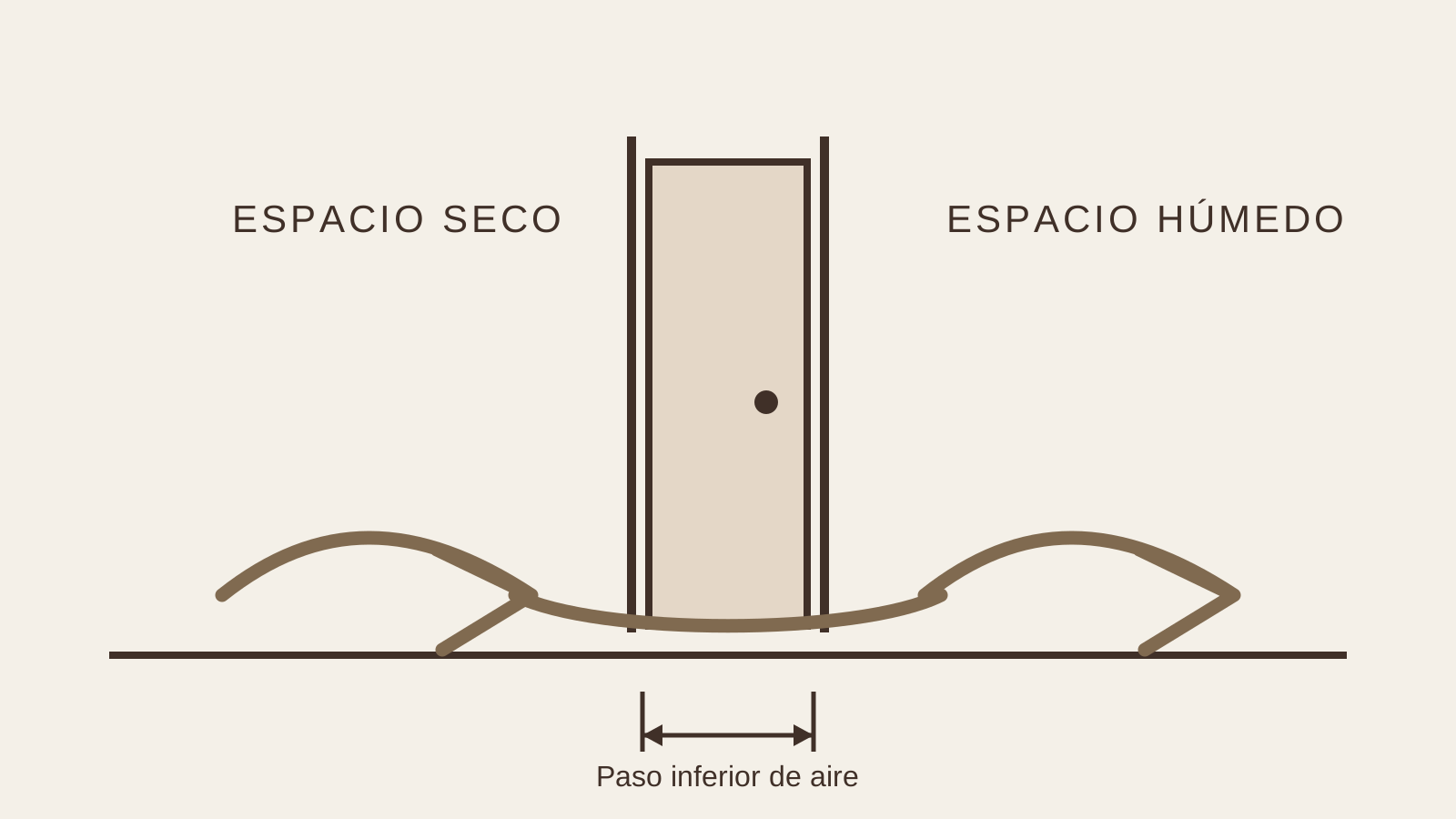
That small gap at the bottom of the door, however annoying it may be, serves an important purpose. It acts as a channel that lets air circulate between dry and wet rooms when the doors are closed. Some light may slip through it, but remember: in the end, this small detail contributes to everyone's health.
So what exactly is mechanical ventilation?
Traditionally, the only form of mechanical ventilation installed in homes was air extraction from wet rooms such as the kitchen or bathroom. This system expels stale air outdoors through extractor fans, while fresh air enters passively through grilles or openings in walls or windows. In recent years, however, this approach has been improved with dual-flow ventilation, which not only extracts polluted air but also brings in fresh air from outside, creating a continuous flow that keeps the indoor air renewed.
There are simple versions of this system that run the fan at regular intervals, and more advanced ones that adjust their operation to the air quality, switching on only when needed. The most sophisticated systems include a heat recovery unit, which preheats the incoming outdoor air so the home doesn't lose temperature, reducing energy demand and delivering savings over the medium term.
With the growing emphasis on energy efficiency standards, mechanical ventilation has become an essential component of today's homes. Designed to minimize heat loss, these homes need ventilation systems that renew the air without compromising comfort or energy consumption.
In short, mechanical ventilation not only improves air quality and the health of a home's occupants — it also plays a crucial role in the sustainability of our homes, and is a key solution to the challenges of energy efficiency and livability in today's architecture.